







Sri Lankan Hoppers: The Crispy Rice Pancakes Locals Eat for Breakfast and Dinner
By early evening, the small hopper pans are heating up at roadside eating houses across Sri Lanka. Metal lids clatter against the counter, customers call out their orders, and the cook pours another ladle of white batter into a blackened pan.
A quick turn of the wrist sends the batter climbing the curved sides. Within minutes, the edges have turned golden and crisp, leaving a soft, slightly spongy centre.
This is appa, the Sri Lankan hopper. It resembles a small edible bowl, although anyone who has tried making one at home knows that getting the shape and texture right takes practice.
Hoppers are made from a fermented rice-flour batter, generally prepared with coconut milk. The fermentation gives them a faint sourness, particularly noticeable in a plain hopper eaten without curry.
The batter spreads thinly against the hot sides of the pan while a little collects at the bottom. That’s why the outer rim becomes crisp long before the middle does.
At a busy kade, several pans may be going at once. Each hopper gets its own lid, and the cook moves between them as the batter sets. An experienced cook can recognise when a hopper is ready from the colour of its rim and the way it pulls away from the pan.
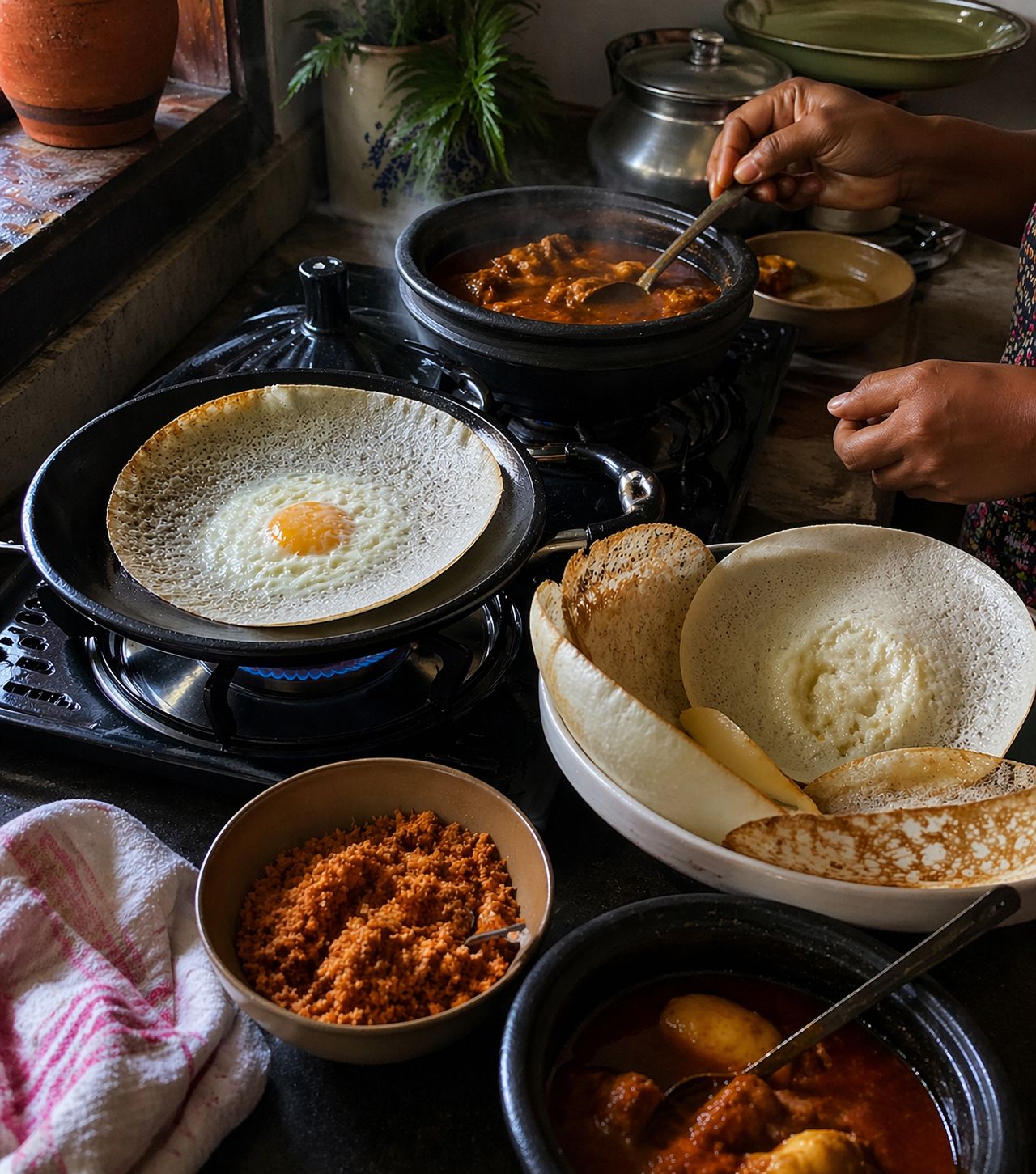
Plain hoppers are usually the cheapest option. Egg hoppers cost more, with an egg cracked directly into the centre while the batter is still cooking.
A little salt and black pepper are commonly sprinkled over the egg before the lid goes back on. The steam helps cook the white, sometimes leaving the yolk soft enough to break with a piece of the crispy rim.
Some people prefer the yolk fully cooked. Others want it runny, particularly when there’s a generous serving of lunu miris on the plate.
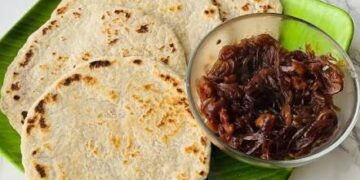
That fiery mixture of red onion or shallots, chilli, lime and salt is one of the most familiar accompaniments to hoppers. Some preparations include Maldive fish, which gives the sambol a salty, savoury edge.
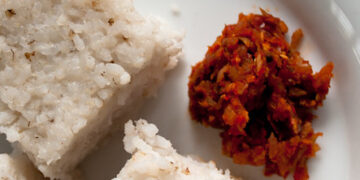
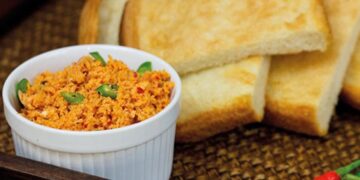
Pol sambol is another favourite. Freshly grated coconut is mixed with chilli, onion and lime, creating a coarser, slightly moist accompaniment that works particularly well with the softer part of a hopper.
The amount of chilli can be surprising for visitors. A small spoonful of lunu miris often carries considerably more heat than it suggests.
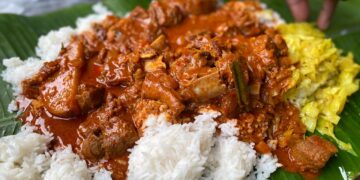
Curries are also common, especially when hoppers are eaten as a proper evening meal. Dhal, chicken curry and fish curry are among the usual choices, depending on the shop.
There is a difference between eating hoppers freshly cooked and taking them from a stack prepared earlier. The thin rim gradually loses its crunch as steam collects around it. Egg hoppers are particularly good straight from the pan, before the egg cools and the centre becomes firm.
Although tourist hotels regularly serve hoppers at breakfast, Sri Lankan households and local eating houses also prepare them for dinner. In some neighbourhoods, hopper stalls become busiest after sunset, when people stop on their way home.
Recipes differ between families. Some use traditional overnight fermentation, while others prepare a quicker batter with yeast. The proportion of coconut milk and rice flour affects both the flavour and the way the edges crisp during cooking.
There are sweeter varieties too. Honey hoppers and versions made with palm treacle appear in some regions, although the plain and egg versions remain familiar choices at everyday eating houses.
Hoppers have also become a regular feature of hotel buffets and restaurant menus aimed at visitors, occasionally appearing with expensive toppings far removed from the roadside original.
At a local hopper station, the preparation is less elaborate. The cook tips the finished hopper onto a plate, reaches for another ladle of batter and turns back towards the stove. Behind the counter, the little black pans keep filling and emptying as the evening orders come in.