







A banana leaf changes the smell of a rice packet.(It makes it feel fresh and natural)
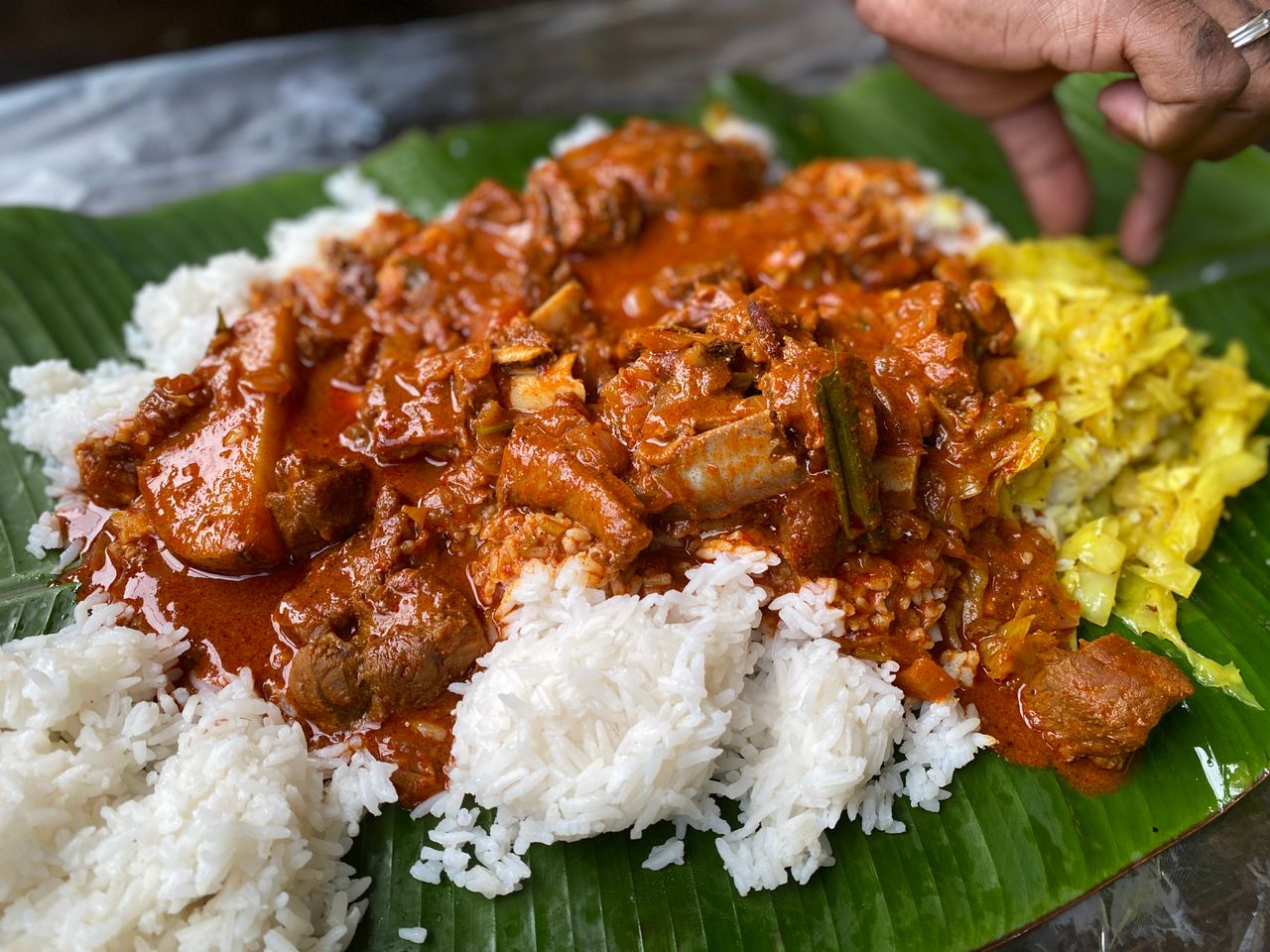
When warm rice and curry are wrapped inside a clean leaf, some of the moisture collects against its smooth green surface. The leaf softens around the food, and its faint grassy aroma can become noticeable when the parcel is opened.
For generations, Sri Lankan households have packed food for people leaving home to work in fields, shops and offices. A meal wrapped in a leaf or paper could be carried without needing a plate, then opened wherever the day’s work allowed.
The familiar Sinhala expression bath mula refers to a parcel of cooked rice, usually accompanied by curries or sambols.
It remains part of Sri Lankan food culture, although commercial rice packets now appear in paper boxes and other forms of packaging as well.
The meal itself is often prepared early in the morning, even when it is intended for lunch.
Rice is cooked, vegetables are prepared, and curries are portioned before the household leaves for the day. In some homes, the same morning cooking provides breakfast for the family and a packed lunch for someone travelling to work.
Food prepared before the journey
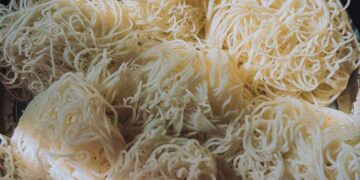
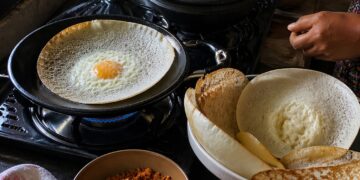
Sri Lankan breakfasts include several foods made from flour, particularly roti, pittu, hoppers and string hoppers.
These are quite different from a bath mula.
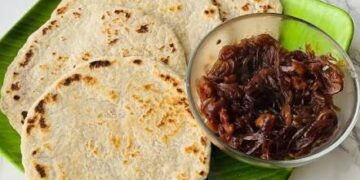
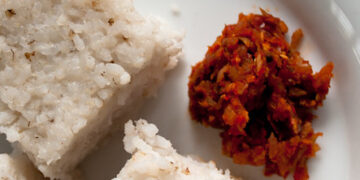
Coconut roti can be carried in paper or a food container, sometimes with a small portion of lunu miris or seeni sambol packed separately. Pittu, made from rice flour and grated coconut, is usually steamed and served with coconut milk, curry or sambol.
The distinction matters because flour-based breakfasts and rice-and-curry parcels are sometimes grouped together in travel descriptions despite having different preparation methods and eating habits.
Pittu is generally eaten from a plate or container because its steamed, crumbly texture is less convenient for carrying loose in a paper wrapping.
Roti is firmer and travels more easily.
Rice packets occupy another part of the food trade. They are commonly prepared in the morning and sold around lunchtime, particularly in commercial districts where workers need an affordable cooked meal.
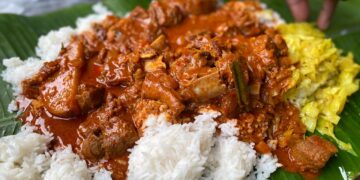
A packet may contain white or red rice, dhal, vegetable curries, a sambol and a portion of fish, chicken or egg, depending on what the seller prepares.
The combination changes between households and businesses. A packet of rice and curry has no single compulsory set of accompaniments.
The leaf beneath the rice
Banana leaves are used in Sri Lankan cooking for wrapping, serving and sometimes heating food.
Before being folded, a fresh leaf is usually washed and wiped. It may be passed briefly over a flame to make it more flexible and less likely to split.
The leaf can then be folded around the food, sometimes with an outer wrapping to keep the parcel closed.
Lotus leaves have also been used traditionally for carrying rice and curry. Their broad shape makes them suitable for holding food, particularly in rural settings where leaves were readily available.
The material used for wrapping affects the experience of eating.
A banana leaf has a smooth surface, and warm rice can pick up some of its aroma. A lotus leaf has a different texture and smell.
Neither leaf guarantees that the food will remain fresh for an extended period.
The temperature at which cooked rice is stored matters considerably, especially in Sri Lanka’s warm climate. The World Health Organization advises that cooked food should not be left at room temperature for more than two hours and recommends keeping hot food above 60°C until serving.
That advice applies whether the food is wrapped in leaves, paper or placed in a plastic container.
For travellers buying rice packets, the important details are when the food was cooked, how it has been stored and whether the seller maintains suitable hygiene.
A fresh-looking banana leaf is no substitute for proper food handling.
From home kitchens to Colombo’s pavements
The commercial rice packet has become an established part of urban eating habits.
Research published in 2022 by Nipesh Palat Narayanan examined the preparation and sale of bath packets in Colombo.
The study followed vendors and households involved in the trade, documenting how rice-and-curry meals prepared in home kitchens became products sold to office workers and other customers.
It found that packets were commonly sold between approximately 11 a.m. and 3 p.m., with businesses ranging from small household operations to larger producers supplying several vendors.
The research also recorded differences in packaging.
Some sellers used paper wrapping, while others placed the food in boxes lined with banana leaves. The leaf was therefore one part of the packaging rather than a feature shared by every rice packet.
For some customers, food prepared in a household kitchen carried an association with gedara kaema, the Sinhala expression for home-cooked food.
The study documented how sellers used that association when describing their meals.
A rice packet could resemble something prepared at home for a family member, even when it had been produced commercially.
The same research showed that the business involved considerable preparation before the selling period began. Vegetables and other ingredients were often prepared in advance, with cooking and packing taking place the following morning.
By the time customers bought their lunch, several hours of kitchen work had already gone into it.
The changing shape of a familiar meal
Rice packets have changed with Sri Lanka’s food businesses.
Paper boxes and other containers have become common, particularly where meals are sold through shops or delivery services.
Banana leaves are still used by some sellers, either as the main wrapping or as a lining inside another container.
The appearance of the packet may suggest something about how the seller wants the food to be presented, but it does not establish the quality of the ingredients or the hygiene of the kitchen.
A carefully prepared meal in a plain container can be better than one wrapped in a leaf for appearance alone.
The contents also vary according to the intended customer.
Some packets contain several vegetable curries and a small amount of rice. Others provide a larger portion of rice with fewer accompaniments. Meat and fish versions are common, as are vegetarian meals.
For someone travelling across Sri Lanka, the local rice packet offers a different eating experience from a restaurant rice-and-curry plate.
The curries have already been portioned, and the meal is intended to be carried. There may be no separate serving dishes, refills or choice of accompaniments once the packet has been purchased.
A little curry gravy can spread through the rice during the journey. Sambol may become mixed with the vegetables, and the leaf or paper can pick up the colour of turmeric and chilli.
When a traditionally wrapped packet is opened, the folds of the leaf remain visible beneath the rice. A few grains cling to the surface, along with the last traces of curry.