












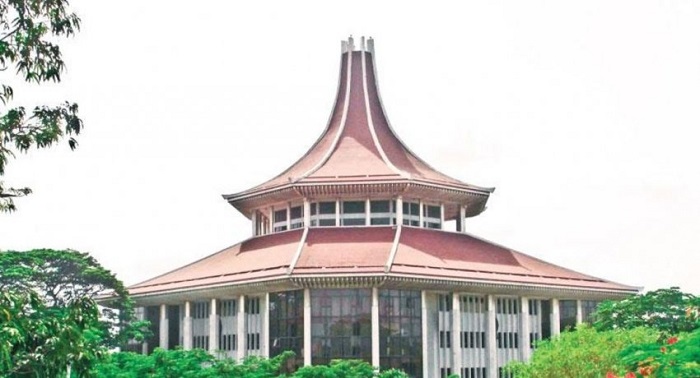
Transparency International Sri Lanka (TISL) filed a petition in the Supreme Court on August 31 asking the court to strike down parts of the Anti‑Corruption (Amendment) Bill 2026. In the petition, TISL says several amendments roll back existing protections and conflict with the Constitution.
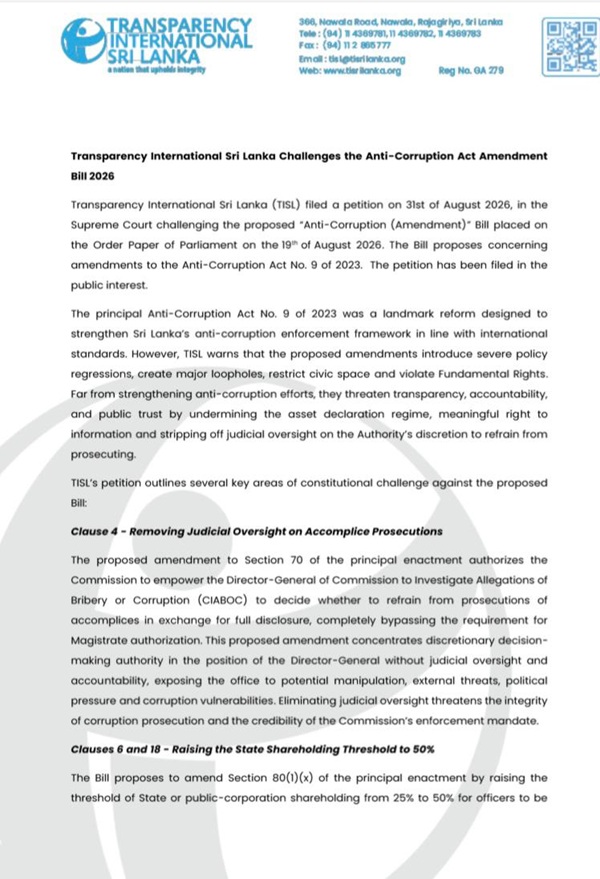
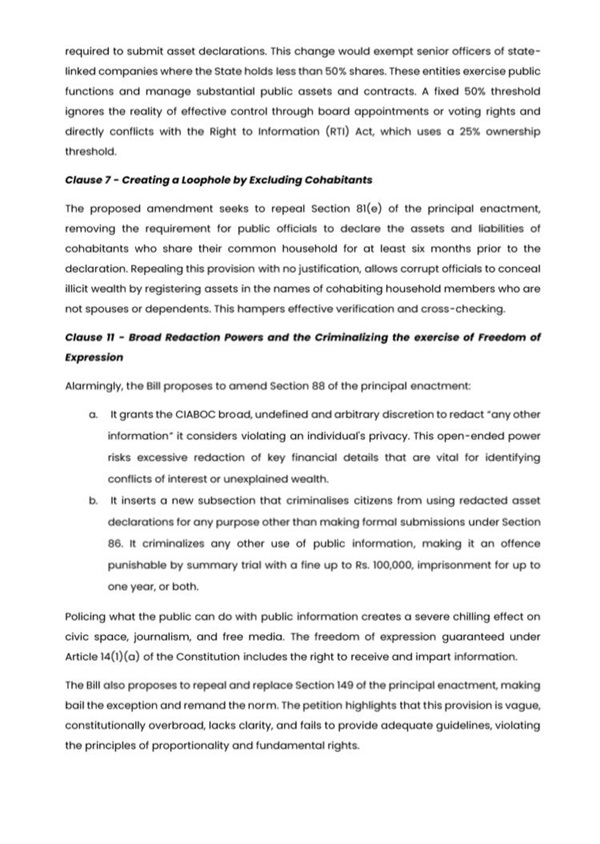
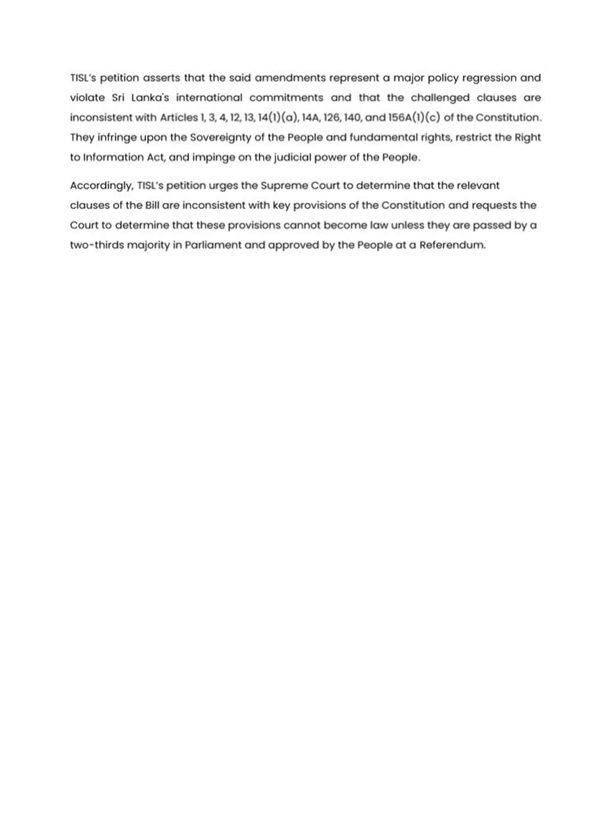
The petition lists specific clauses it says are inconsistent with Articles 1, 3, 4, 12, 13, 14(1)(a), 14A, 126, 140 and 156A(1)(c). A copy of the petition, provided to Lakbima News and reproduced in the accompanying images, sets out the legal arguments and the passages of the Bill under challenge.
TISL argues the proposed changes would narrow the Right to Information Act, reduce judicial oversight and weaken the people’s constitutional sovereignty.
TISL identifies several provisions as especially problematic. Clause 4 would remove magistrate authorization for accomplice prosecutions and allow the Director‑General of CIABOC to decide whether to prosecute accomplices. Clauses 6 and 18 raise the state shareholding threshold that triggers asset declaration requirements from 25% to 50%, which would exempt a number of state‑linked companies despite their control over public assets. Clause 7 removes the requirement to declare assets of cohabitants, a change the petition says creates an avenue to conceal illicit wealth. Clause 11 gives CIABOC broad power to redact asset declarations and makes it an offence to use redacted declarations outside formal proceedings, punishable by fines or imprisonment.
The petition contends those changes will limit civic space and independent reporting by narrowing protections under Article 14(1)(a). It also challenges provisions that would make bail the exception and remand the norm, describing them as vague and disproportionate to the offences they address.
TISL asks the Supreme Court to rule that the contested clauses cannot be enacted unless they receive a two‑thirds majority in Parliament and, where required by the Constitution, approval at a referendum. The petition and supporting documents are on file at the Supreme Court registry and are reproduced in the images accompanying this report. (Lakbima News)