





In a Sri Lankan roadside kade, “plain tea” usually means black tea without milk. “Milk tea” brings a different cup altogether. Knowing the word kahata helps, especially when you want the tea strong and unsweetened.
A request for tea at a Sri Lankan eating house can end with a small glass of milky, sweet tea. Ask for kahata and the milk stays out. The dark infusion is closer to what many visitors call black tea, although the strength and amount of sugar depend on the shop.
That distinction matters more at a bus stop than it does in a hotel dining room. Roadside tea is prepared for people who may have only a few minutes before their bus arrives or the working day resumes. The kettle stays hot, glasses are rinsed and refilled, and the sound of a spoon against the rim is familiar at the counter.
Kahata commonly refers to brewed tea without milk, often with a strong, slightly drying taste. Plain tea is the expression many shops use for the same milk-free order. Neither phrase guarantees that sugar will be left out. If you want it unsweetened, say so when ordering.
Milk tea, or kiri thé, has a softer colour and a fuller mouthfeel. Depending on the kitchen, the milk may come from fresh milk, milk powder or another milk preparation. Sugar is commonly added, sometimes generously. There is no single roadside recipe followed by every tea maker.
The tea in the glass
Sri Lanka sells Ceylon tea around the world, yet a cup at a neighbourhood stall rarely comes with an estate name or tasting notes. The shopkeeper is more concerned with producing a consistent, hot drink. The tea may be brewed in a pot, strained from loose leaves or made from tea bags.
The size of the leaf makes a difference to brewing. The Tea Exporters Association of Sri Lanka lists BOP as Broken Orange Pekoe and BOPF as Broken Orange Pekoe Fannings, which has smaller particles. Fine grades generally release colour and strength faster than large whole leaves. The grade alone does not tell you how carefully the tea was grown or processed.
At the counter, a strong brew can turn a deep reddish brown. Add milk and it becomes tan, with the exact shade changing according to how much tea and milk were used. A cup that has steeped too long may taste harsh. A lighter infusion can be pleasant without milk but disappear under a heavy spoonful of milk powder.
There is also the matter of sweetness. Some people take plain tea with sugar already dissolved; others ask for sugar separately or none at all. Travellers who prefer black tea without sugar should be specific rather than relying on the word “plain”.
From the tea districts to the roadside kade
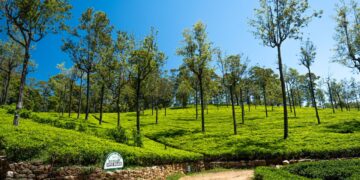
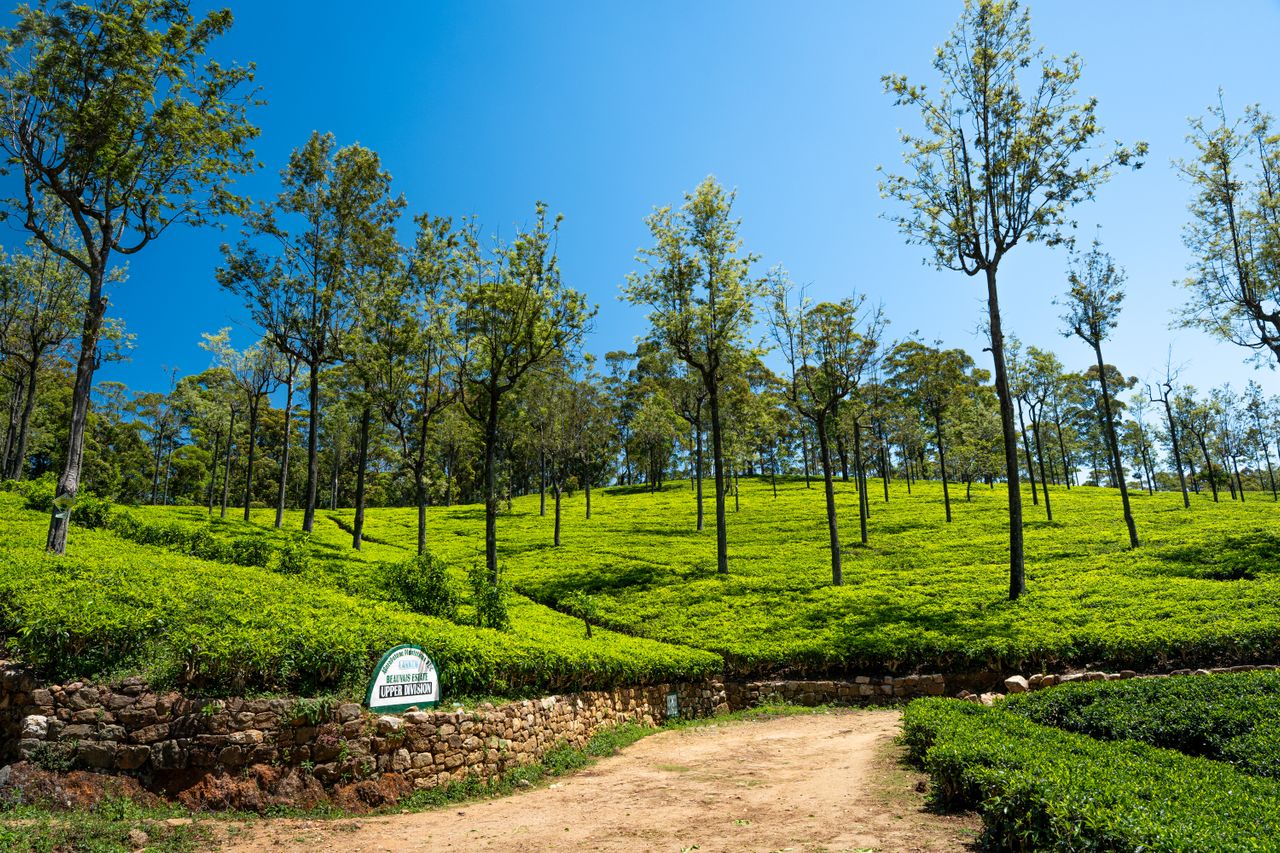
The Sri Lanka Tea Board identifies seven principal tea-growing regions, including Nuwara Eliya, Dimbula, Uva, Kandy, Ruhuna and Sabaragamuwa. It describes Nuwara Eliya teas as generally pale and fragrant, whereas the low-grown teas of Ruhuna are known for a fuller, darker brew. Those are broad regional descriptions; a roadside cup is often made from a blend rather than a named single-estate tea.
The familiar Lion Logo on retail packaging belongs to the Tea Board. According to the Board, it identifies 100% pure Ceylon tea packed in Sri Lanka. A tea stall’s unlabelled glass cannot establish that certification, and a darker colour alone says little about where the leaves were grown.
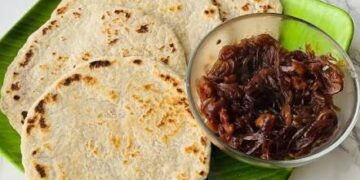
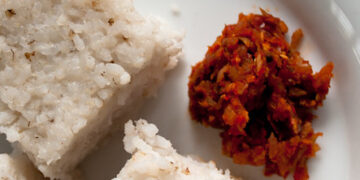
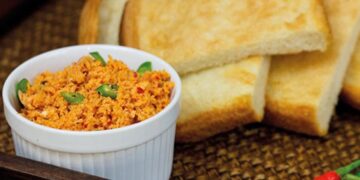
For most customers, tea belongs to a shorter list of concerns: whether it is hot, strong enough and made the way they like it. It comes after breakfast, during a pause at work or alongside something from the bakery counter. Roast paan with pol sambol makes a familiar savoury pairing. A piece of coconut roti with seeni sambol brings a sweeter, onion-rich bite.
Tea stalls do not all serve their drinks in the same way. Some use glass tumblers, others cups. The tea may arrive already sweetened, or the sugar may be handled separately. On a hot afternoon, customers may wait for it to cool; on a wet morning, the glass is often held carefully by its rim.
The tea itself is rarely the expensive part of a stop at a kade, but prices vary by town, shop and serving size. There is little value in quoting a single island-wide price for a cup. The useful choice is made before the kettle is lifted: milk or no milk, sugar or no sugar, and how strong you want the brew.
Once the glass is set down, a thin ring of tea often remains near the top. In a busy shop, the next order is already being called across the counter.