



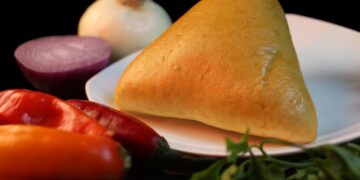




A triangular fish bun and a sugar-coated kimbula banis often share the same bakery shelf in Sri Lanka. One contains a spiced fish filling, usually mixed with potato and onion. The other is a sweet bread covered with coarse sugar crystals, its curved shape giving it the Sinhala name for a crocodile.
Both are part of Sri Lanka’s everyday bakery trade. They are sold in glass-fronted display cases, packed into school bags, carried to work and delivered through residential neighbourhoods by the familiar choon paan vans.
The two foods also represent different sides of the local bakery counter. Maalu paan is savoury and substantial enough for a quick breakfast. Kimbula banis is sweeter, generally eaten with tea or as a snack.
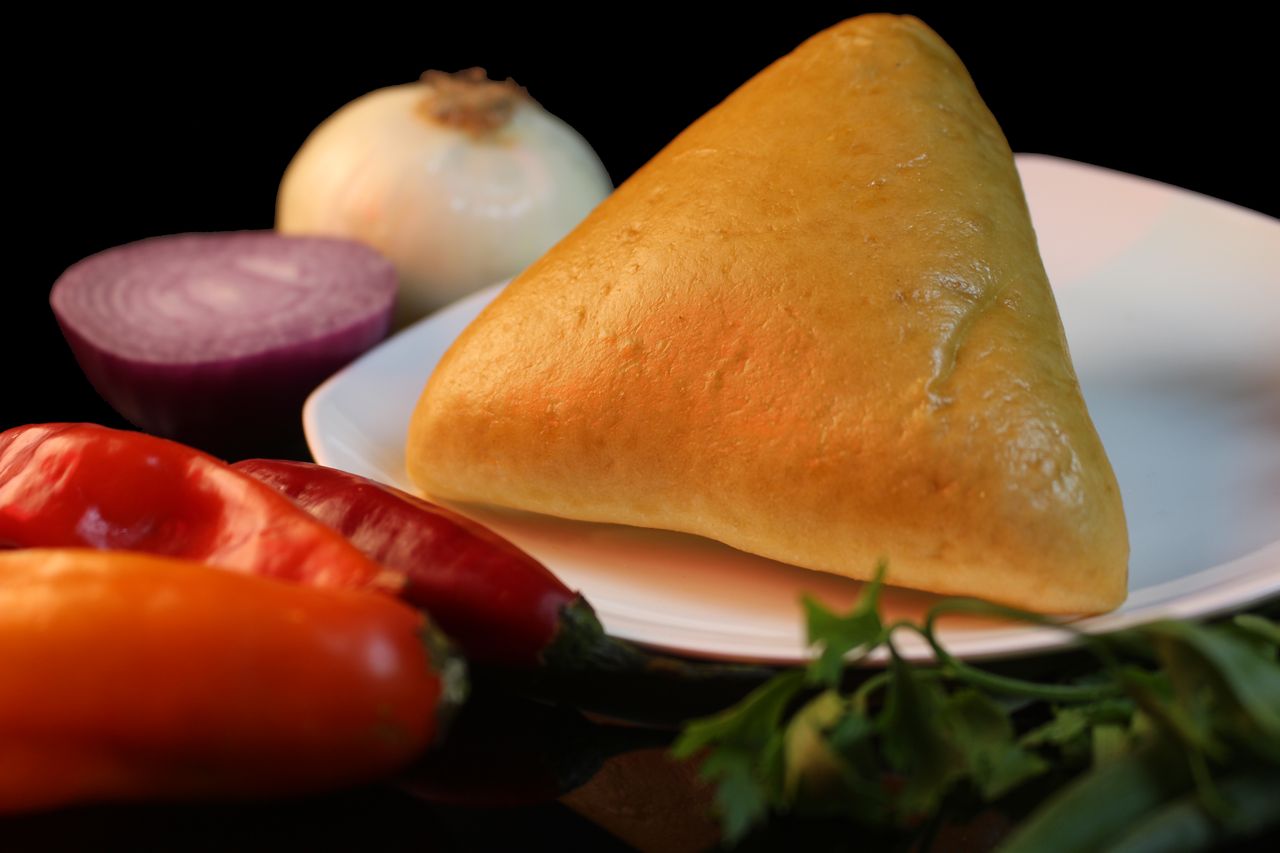
The name maalu paan translates directly to fish bread. In everyday conversation, some people call it a fish bun or maalu banis. The triangular shape is one of its most recognisable features, although bakeries sometimes make slightly different versions.
The triangular fish bun
Maalu paan begins with a yeast-raised bread dough wrapped around a cooked filling. Fish, potato, onion and spices are common ingredients. Many home and commercial preparations use canned fish, particularly tuna or mackerel, because it can be flaked and mixed easily with the other ingredients.
The fish is usually cooked with onion, green chilli, black pepper and selected seasonings. Curry leaves may be added. Potato helps bind the mixture, allowing the filling to remain together inside the bread.
The amount of potato varies considerably between bakeries. Some fish buns contain generous pieces of fish throughout the filling. Others rely heavily on potato, with only a small amount of fish for flavour.
The mixture is allowed to cool before being enclosed in the dough. Baking then gives the bread a golden surface while keeping the filling sealed inside.
A good fish bun should have reasonably soft bread surrounding a moist filling. Too much bread can leave the centre difficult to reach, particularly when most of the filling has collected at one end.
Some bakeries use a slightly sweet dough, which can be noticeable against the salty and peppery filling. Others make a plainer bread. Neither recipe is universal.
The fish bun is often eaten without an accompaniment, though chilli sauce or tomato sauce may be available. It is a practical choice for a short stop at a bakery, particularly when a full rice-and-curry meal would take more time.
Kimbula banis and the sugar crust
Kimbula banis looks quite different. Its name comes from kimbula, the Sinhala word for crocodile, referring to the elongated, curved shape of the bun.
It is generally made from a sweet yeast dough shaped before baking and finished with sugar. The top may develop a firm, slightly crisp surface, particularly where the sugar has caramelised or dried during baking.
Inside, the bread is soft and lightly sweet. Kimbula banis usually contains no filling, although bakery recipes and variations differ.
The sugar crystals are part of its appeal. They sit on the surface of the browned dough and provide a noticeable crunch against the soft bread underneath.
Some examples are shaped with a distinct curve, while others resemble an elongated roll with pointed ends. The bakery’s shaping method determines how closely the finished bun resembles the animal from which it takes its name.
Kimbula banis is frequently eaten with plain tea or milk tea. At a neighbourhood bakery, it may be bought alongside butter cake, buns, rolls or other sweet baked goods.
Its sweetness makes it particularly suitable for a tea break. A cup of strong black tea can be a pleasant companion when the bun has a generous coating of sugar.
The sound of Sri Lanka’s travelling bakeries
One of the most familiar ways of buying bakery food in Sri Lanka involves a three-wheeler carrying bread and buns through residential streets.
These vehicles are commonly known as choon paan vans, a name associated with the recorded tune they play to announce their arrival.
The vehicles operate as mobile bakery sellers. Depending on the route and the business supplying them, their stock may include ordinary bread, roast paan, fish buns, kimbula banis, vegetable rolls, doughnuts and other bakery products.
The selection changes during the day. A morning round may concentrate on bread and breakfast food, while later rounds may carry a greater variety of buns and short eats.
The recorded melody is familiar in many neighbourhoods. Customers recognise it before seeing the vehicle, particularly in residential lanes away from major shopping streets.
These travelling sellers allow bakery products to reach households that may be some distance from a shop. They also serve people who prefer to buy a few items close to home rather than make a separate journey to a bakery.
Roast paan is another well-known product of this trade. Lakbima News has previously examined how its browned crust and fresh pol sambol became a familiar Sri Lankan breakfast pairing.
Unlike roast paan, which is often eaten with curry or sambol, maalu paan and kimbula banis are generally prepared as individual portions with their flavour already built into the product.
The bakery counter and the short-eats tradition
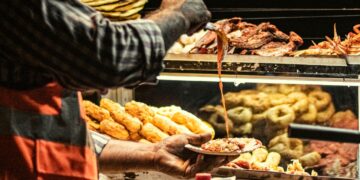
Sri Lankan bakeries usually offer more than bread. Their display cases may contain fish buns, vegetable buns, egg buns, rolls, cutlets, patties and sweet pastries.
These products are commonly described as short eats, a local expression covering snacks that can be eaten between meals or as a light meal on their own.
Some shops prepare everything on the premises. Others purchase selected items from separate bakeries or food producers. The quality and freshness of the products therefore vary.
A fish bun that has just come from the oven has a different texture from one that has spent several hours inside a display cabinet. The bread gradually becomes firmer, and the filling loses heat.
The age and storage of the fish filling matter more than the appearance of the bread. A golden crust cannot establish that a product has been stored safely.
Travellers who avoid fish should also pay attention to the names used at the counter. A fish bun may contain canned tuna or mackerel, while some savoury buns include fish-based seasonings even when the filling looks mainly vegetarian.
Kimbula banis is generally a bread-and-sugar product, but ingredients such as milk, egg or butter may be included depending on the recipe. Anyone with food allergies should ask the bakery about its preparation.
The two buns appear throughout the day, although the selection depends on when the bakery prepares its batches. A shop may have fresh fish buns in the morning and sell another batch in the afternoon.
At the counter, the contrast is easy to recognise. The fish bun has a smooth, golden triangular surface that opens onto a peppery filling. Beside it, the kimbula banis carries a rough coating of sugar across its curved crust. Both fit into the small paper bags handed over at bakeries throughout Sri Lanka.