





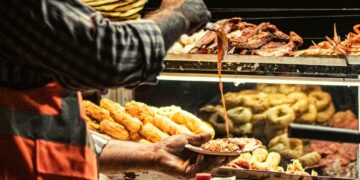

A visitor in Jaffna can find palm jaggery, odiyal flour, fruit products and woven handicrafts without travelling to a plantation. The Palmyrah Development Board lists three Katpaham sales outlets in Jaffna, giving travellers a practical starting point for discovering one of Northern Sri Lanka’s oldest industries.
The palmyrah palm is a familiar sight across the Northern Province. Its tall, straight trunk and fan-shaped leaves are particularly common in Jaffna, where the tree has long supplied materials for food, household goods and local businesses.
The range of products is considerably larger than most visitors might expect. Palmyrah can provide fruit pulp, sweet sap, jaggery, flour, dried food products, fibre and leaves used in handicrafts.
The Palmyrah Development Board, established in 1978, supports producers through manufacturing, research, training and marketing. Its Katpaham outlets sell products from the Board and other producers.
These shops offer an alternative to the usual tourist souvenir counter. The products are tied to a working industry, with production taking place across Jaffna and other districts.
Odiyal flour and the food made from palmyrah
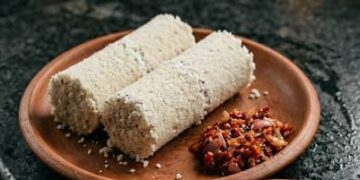
One of the most distinctive palmyrah products is odiyal, made from the young shoots that develop when palmyrah seeds germinate.
The shoots can be dried and processed into flour. Another preparation involves boiling the shoots before drying them, producing what is commonly known as pulukodiyal.
The Palmyrah Development Board lists both ordinary odiyal flour and boiled odiyal flour among its products.
The distinction matters because the two preparations are used in different foods and can have different cooking properties.
Odiyal flour has a place in Northern Sri Lankan cooking, particularly in dishes associated with Jaffna Tamil cuisine.
One of the best-known preparations is odiyal kool, a thick, strongly seasoned dish commonly prepared with seafood and other ingredients.
The flour helps give the kool its body. Recipes differ between households, especially in the seafood, vegetables and seasonings used.
Travellers unfamiliar with the dish should not assume it is vegetarian simply because the name refers to flour.
The Board also lists dried odiyal products and processed chips. Some are sold as ingredients for cooking, while others are prepared as snacks.
The Palmyrah Research Institute has worked on newer products using the same traditional material.
Its published research and technology-transfer material includes palmyrah tuber flour cookies, noodles and other preparations.
The ingredient lists are worth reading. A palmyrah-based product does not necessarily contain only palmyrah.
For example, the Institute’s published noodle formulation includes wheat flour alongside boiled palmyrah tuber flour.
Anyone avoiding gluten should therefore check the complete ingredients rather than rely on the product’s name.
Palm jaggery, fruit pulp and the sweeter products
Palmyrah jaggery is another familiar product of the northern industry.
It is made by concentrating sweet sap collected from the palm until it forms a thick syrup that can be processed into solid jaggery.
The flavour differs from ordinary refined sugar. Palm jaggery can have a deeper, slightly caramelised taste, although the finished product depends on how it has been prepared.
Sri Lanka also produces jaggery from other palms, including the kitul palm.
Visitors buying sweets or treacle should check which palm the product comes from. The names can become confusing when several varieties appear on the same shelf.
The Palmyrah Development Board lists sweet sap, treacle and jaggery as separate products.
It also processes the fruit into pulp, beverages, jam and other foods.
The soft, immature seed kernels of the palmyrah fruit are known as nungu. They have a tender, jelly-like texture and contain a considerable amount of moisture.
Fresh nungu is different from the darker fruit pulp used in processed foods and drinks.
Another traditional product is panattu, made from processed palmyrah fruit pulp. The Board lists several forms, including products prepared with sweeteners.
These foods provide a useful introduction to ingredients that are less familiar outside Northern and Eastern Sri Lanka.
Some are intended for immediate eating. Others are dried or packaged for storage and transport.
For visitors buying food to take home, the packaging, ingredients and storage instructions matter more than an attractive label.
The handicrafts behind the souvenir counter
Palmyrah leaves are used to produce baskets, containers, mats and other woven items.
The leaves can be prepared, coloured and worked into different shapes. The finished pieces range from everyday household goods to decorative items.
The Palmyrah Development Board runs training programmes for people working in the handicraft industry.
Its extension division reports that trained instructors conduct programmes in villages, including courses for women developing self-employment skills.
The Board also organised a handicraft exhibition in Jaffna in August 2025, with participants displaying work produced through its training activities.
There is an economic side to this trade that receives less attention than the food products.
According to the Board’s published 2025 export figures, palmyrah fibre accounted for approximately Rs. 465.7 million out of a reported total of Rs. 600 million.
That represents about 77.6% of the value in the Board’s listed palmyrah export categories, based on calculations from its figures.
The figure covers palmyrah fibre exports and should not be mistaken for the value of handicraft sales alone.
It does, however, show the commercial importance of materials obtained from the palm.
Lakbima News has previously examined how tourist spending reaches different parts of Sri Lanka’s economy . Buying locally produced food and handicrafts is one way visitors can spend directly with domestic businesses.
Finding Katpaham shops in Jaffna
The Palmyrah Development Board publishes an island-wide directory of Katpaham outlets.
Its current listing identifies three locations in Jaffna.
Nallur Super Centre
No. 499, Point Pedro Road,
Nallur, Jaffna.
Ariyakulam Katpaham
Ariyakulam Junction,
Palaly Road, Jaffna.
Bus Stand Katpaham
Bus Stand Road, Jaffna.
These addresses are taken from the Palmyrah Development Board’s published marketing directory. Opening hours and individual product availability should be confirmed before visiting.
The Nallur and Ariyakulam locations can be considered when exploring Jaffna town and its surrounding neighbourhoods.
The bus stand outlet may be convenient for travellers moving through the town by public transport.
The Board also lists Katpaham shops in other districts, including Mannar, Batticaloa, Trincomalee, Vavuniya and Colombo.
A visitor does not necessarily have to reach Jaffna to buy palmyrah products, although the northern region remains closely associated with their production.
For those travelling specifically to Jaffna, the Board’s official outlet directory provides addresses and available contact details.
The shops should not be confused with factories or demonstration workshops.
A sales outlet does not automatically offer production tours or access to working facilities.
Anyone interested in visiting a production centre should arrange permission directly with the relevant organisation.
The Palmyrah Development Board’s headquarters and research facilities are in Kaithady, outside central Jaffna.
The Board publishes information about its production activities and research through its official website.
For a shorter visit, the retail outlets offer a practical way to become familiar with the products without arranging a specialist tour.
A packet of odiyal flour, a piece of palm jaggery and a woven basket may come from different production processes, but all begin with the same remarkably useful tree.
The basket is probably the easiest item to explain at airport security. A packet of unfamiliar flour may require a little more conversation.