










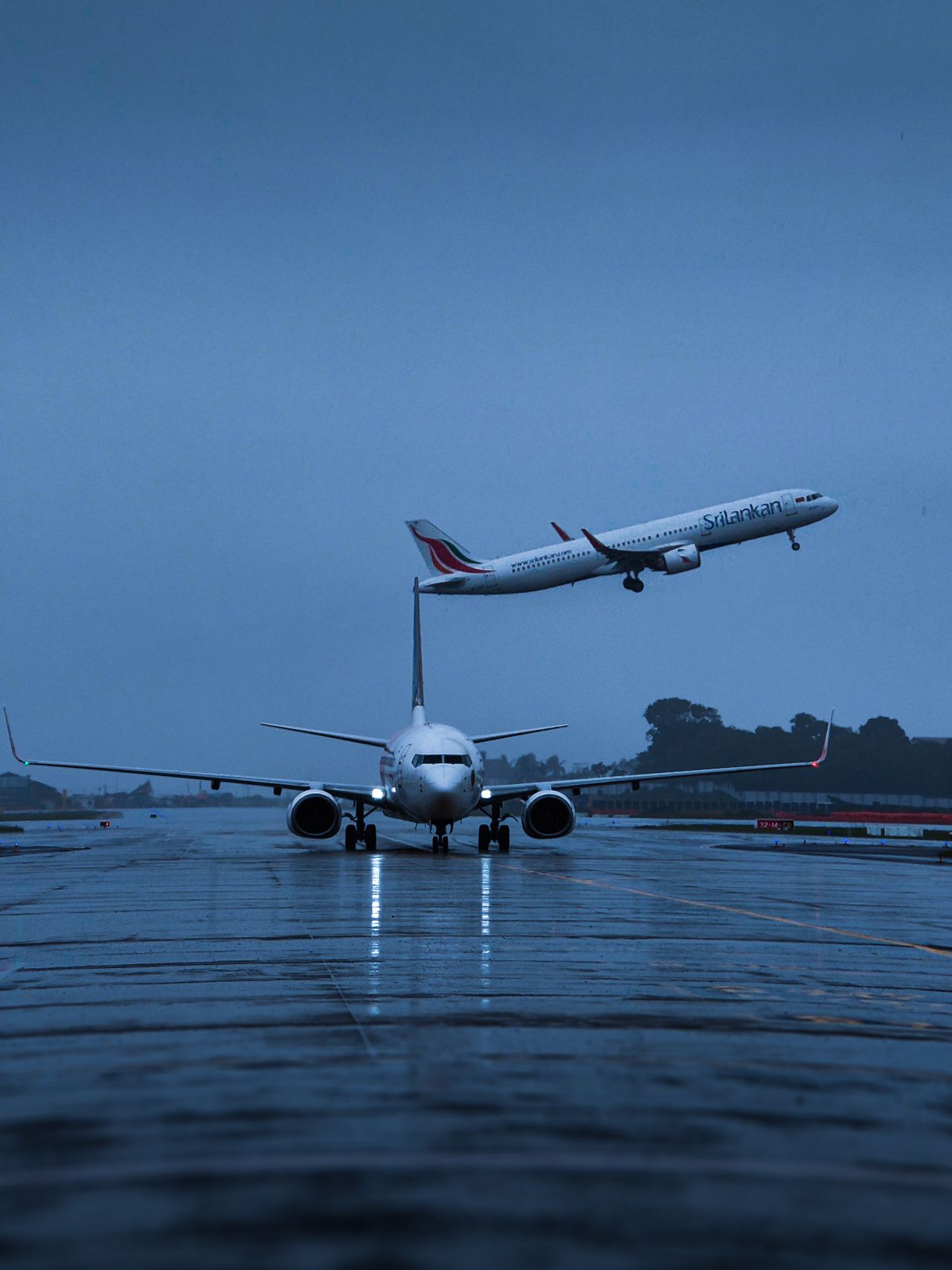
Bandaranaike International Airport is in Katunayake, close to Negombo and some distance north of Colombo. That geographical detail can make a considerable difference to the first night of a Sri Lankan holiday, particularly when the flight lands after midnight and everyone involved has had enough of airports.
Many international visitors arrive at Bandaranaike International Airport, commonly identified by its airport code, CMB. The code and the airport’s association with Colombo can give the impression that the capital’s commercial centre is just outside the terminal.
It isn’t.
Sri Lanka Tourism places Negombo approximately 37 kilometres north of Colombo and describes the coastal town as being within about seven kilometres of Bandaranaike International Airport. The distance to an individual hotel will depend on its location, particularly if it is farther along Negombo’s beach road or in an inland residential area.
The airport itself sits at Katunayake. Travellers heading to central Colombo are going south, while those staying in Negombo generally travel towards the nearby coastal town.
This is an important distinction when choosing accommodation. A hotel advertised as being close to Colombo Airport may be in Negombo, Katunayake, Seeduwa or another surrounding area. The word Colombo in the airport’s name does not establish the hotel’s location.
The airport bus goes to Colombo Fort
Bandaranaike International Airport lists the 187 Airport–Colombo Fort Luxury Bus Service among its official ground transport options.
According to the airport operator, air-conditioned buses on this service operate around the clock and travel between the airport and Colombo Fort via the Colombo–Katunayake Expressway. The published journey time is approximately 50 minutes.
The airport’s instructions identify the Departure Terminal Outer Porch as the boarding location. That detail is useful for arriving passengers, who might otherwise expect every bus to depart immediately outside the arrivals exit.
The operator’s published passenger fare is Rs. 325. It also lists an additional Rs. 325 charge for baggage exceeding 23 kilograms.
These are the fares displayed on the airport’s official luxury bus information page when checked for this article. Passengers should confirm the current charge before travelling.
There is a small detail here that could surprise someone travelling with a particularly large suitcase. Under the published baggage rule, the additional charge for luggage over the stated weight is the same as the basic passenger fare.
A traveller carrying a bag that has already caused trouble at airline check-in may find it making another appearance in the transport budget.
The more important point concerns the destination.
The 187 service described by the airport is a bus to Colombo Fort. It is not advertised as a direct service to Negombo’s beach hotels.
Someone planning to stay in Negombo should arrange transport to the actual accommodation address rather than assume that any airport bus will take them there.
Negombo has more than airport hotels
Negombo’s connection with the airport has made it a familiar first and last stop for international travellers. The town has a separate identity that predates modern tourism.
Fishing remains an established part of its economy. The lagoon, coastal fishing activity and seafood trade are central to the town’s character.
Sri Lanka Tourism describes Negombo as a traditional fishing town with a small port and a long history of maritime activity.
The town also contains churches associated with its Catholic population, buildings from the Portuguese and Dutch colonial periods, and canals connected to its older transport and trading history.
The concentration of Catholic churches has given Negombo the familiar nickname “Little Rome”.
For a traveller arriving early in the morning, the town offers an introduction to ordinary Sri Lankan life beyond the airport. Bakeries, eating houses, local markets and residential streets form part of the wider town, away from the beachfront hotels.
Breakfast might involve bread and curry, string hoppers or something from a bakery counter. Tea shops serve both milk tea and the darker milk-free drink commonly called kahata.
Lakbima News has previously explained the difference between Sri Lankan kahata and milk tea , including why asking for plain tea does not necessarily mean the sugar will be left out.
The beach is another reason visitors choose Negombo, although conditions vary throughout the year. The sea should not be assumed safe for swimming simply because a hotel faces the coast.
The lagoon and the open beach also serve different purposes. Fishing and lagoon activities are part of the working environment, and boat excursions depend on local conditions and operators.
Choosing between the two cities
Colombo is a sensible first stop for visitors who want to explore the commercial capital, meet business contacts or continue their journey from Colombo Fort railway station.
The city offers museums, markets, shopping districts, restaurants and access to transport connections serving other parts of the island.
Negombo is more convenient for travellers whose immediate concern is reaching accommodation near the airport, particularly after a long flight.
It can also work as a base for exploring the western coastal area before continuing inland.
The choice depends on the next destination and the time available. A visitor travelling directly towards the Cultural Triangle may have little reason to enter central Colombo first.
Someone planning several days in Colombo, on the other hand, may prefer to continue south rather than change hotels after one night.
There is no need to turn the first evening into a complicated transport exercise. The sensible decision is usually the one that places the traveller closest to the next day’s plans.
The airport operator lists taxis, ride-hailing services and public transport among its ground transport options. Its supervised airport taxi service operates counters in the arrivals area. Travellers should use the official airport transport information to check the available arrangements and confirm their destination before accepting a journey.
Negombo’s accommodation is spread across several neighbourhoods. A property near the beach, one in the town centre and another in a village inland can have different travel times from the airport.
That makes the complete address more useful than a hotel name containing the word “airport”.
For late arrivals, it is sensible to confirm check-in arrangements in advance. Not every small guesthouse has someone permanently staffing reception through the night.
A confirmed pickup location is equally useful. Airports have designated vehicle access arrangements, and the operator has introduced traffic changes around Bandaranaike International Airport.
Passengers meeting a driver should follow the agreed collection instructions rather than assume the vehicle can stop at any convenient point outside the terminal.
After collecting luggage, passing through customs and finding the correct exit, the last thing most travellers want is an argument with a map application.
The airport’s location is straightforward enough: Katunayake is where the flight arrives, Negombo is the nearby coastal town, and Colombo Fort is the destination of the 187 bus.
The distinction is worth settling before leaving the arrivals hall.