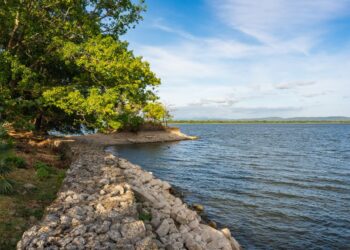





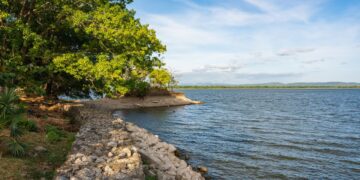







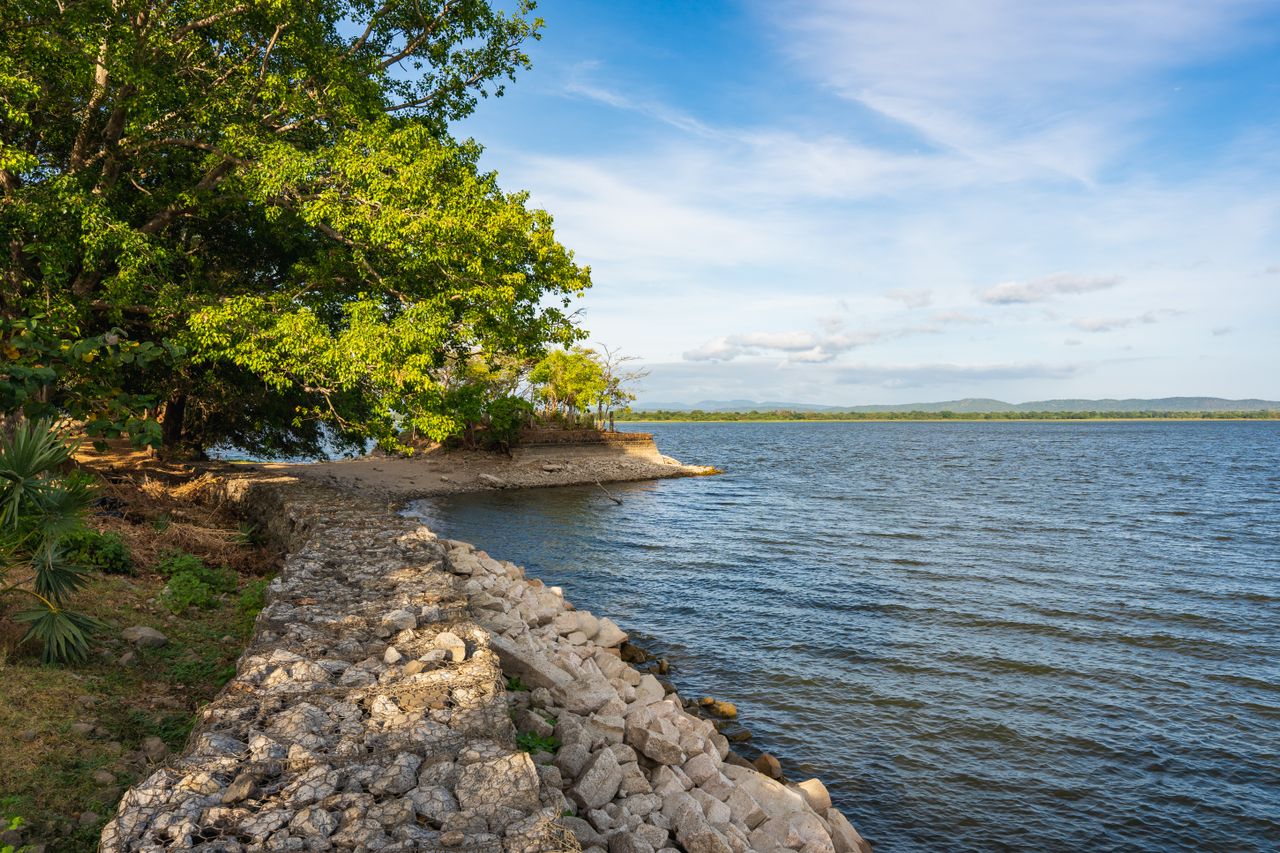
Most visitors travelling between Sigiriya and Anuradhapura have heard of the great rock fortress and the ancient stupas. Far fewer have heard of Banda Pokuna, an old reservoir within the Ritigala Archaeological Reserve. The Central Cultural Fund has identified the reservoir for a four-year excavation programme, placing a relatively overlooked piece of Sri Lanka’s monastic andwater-management history under fresh examination.
Ritigala lies in Sri Lanka’s North Central Province, near the boundary between the Palugaswewa and Kekirawa divisional secretariat areas. It is known for its forested setting and the remains of an ancient Buddhist monastery. Yet the reservoir has a story of its own, one that is still being investigated rather than neatly settled on an information board.
A reservoir that has become an archaeological project
In a notice published on its official website in 2025, the Central Cultural Fund announced the commencement of archaeological excavation at Banda Pokuna. The notice says the work was planned over four years and identifies the reservoir as important for both its ancient construction and its natural ecosystem.
That combination matters. A reservoir inside an archaeological reserve is not simply a scenic pond. Its banks, sediments, stonework and relationship to nearby buildings may help researchers understand how the area was used. Those are possible lines of investigation, however, not discoveries the Fund has yet reported in the notice.
The announcement contains a small but significant documentary problem: the page carries a June 2025 publication date, with an August 2025 update shown, yet describes an inauguration held “yesterday (20th)”. Without a month attached to that date, it is not possible to establish the exact opening day of the excavation from the page alone. Readers deserve that distinction rather than an invented anniversary.
The four-year period is a planned duration, not confirmation that excavations will remain open to visitors throughout that time, nor evidence of what researchers have already found. A current progress report or a dated field bulletin would be needed to make either claim.
The part of Ritigala a visitor might miss
Ritigala is often treated as a quick stop on a busy Cultural Triangle route. That can encourage visitors to concentrate on the most recognisable stone remains and hurry back to their vehicle. Banda Pokuna invites a different question: how did a monastic settlement organise and manage water inthis particular setting?
The Central Cultural Fund places the reservoir inside the archaeological reserve and describes its ecological importance. The description supports looking at Ritigala as a protected historical setting, rather than a collection of isolated ruins. It does not establish a specific ancient construction date, a builder or the original purpose of every surviving feature around the reservoir.
This is also why an excavation should not be treated as a tourist attraction that automatically permits entry. Active research areas may have fragile surfaces, exposed deposits or temporary barriers. A photograph from behind a permitted boundary is a better souvenir than accidentally becoming part of the next excavation layer.
Planning a visit without guessing
The Central Cultural Fund lists a dedicated Ritigala contact number, +94 71 445 9085, on its official contact page. Visitors can use it to ask whether the archaeological visitor area is open, whether Banda Pokuna can be viewed from an authorised route, whether guides are available and what admission arrangements apply on the intended date.
The Fund’s general visitor guidance says that access to strict nature reserves is separate from heritage-site admission. Ritigala’s protected natural surroundings make it especially important to distinguish the archaeological route from any restricted forest area. A heritage ticket or a casual invitation to explore does not establish permission to enter protected land.
There is no independently confirmed current Banda Pokuna ticket price, excavation viewing schedule or trail length in the primary records reviewed for this article. Travellers should not rely on an old social-media itinerary for those details. Confirm them directly, especially during the rainy season when paths and access conditions can change.
Wear footwear suited to uneven ground, carry drinking water and avoid touching or climbing archaeological remains. The Fund’s published heritage guidanceasks visitors to respect sacred spaces and follow site staff instructions. Drone filming and professional commercial shoots require additional permission.
Why this small site deserves attention
Thailand’s tourism authority has documented village crafts through the people and processes behind them; Kerala Tourism similarly organises rural experiences around working traditions and the communities involved. Ritigala offers a different kind of slow travel: the chance to understand a place through an archaeological question that has not yet received its final answer.
The interesting news at Banda Pokuna is therefore the work itself. The Central Cultural Fund has put a long-term excavation on the record, but the public notice does not supply an inventory of findings or a confirmed completion date. That gap is worth following as the project develops.
For now, the sensible visit is to Ritigala’s authorised archaeological area, with Banda Pokuna included only where site officers permit access. The reservoir deserves curiosity. The excavation deserves room to proceed.