










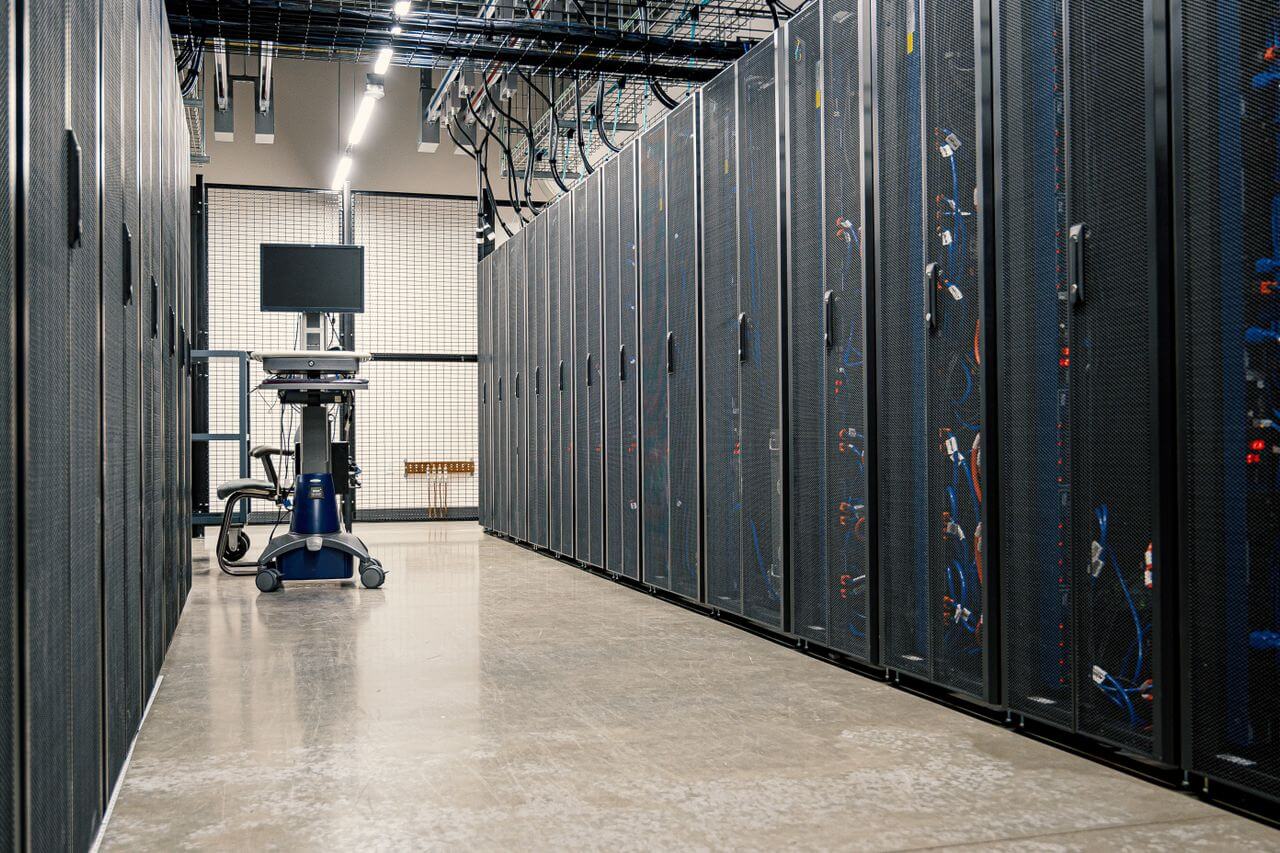
Sri Lanka has invited investors to develop large data centres for artificial intelligence, cloud computing and national digital services as the country’s electricity planners prepare for much higher demand over the next three years.
The National System Operator now expects peak electricity demand to reach 3,342 megawatts in 2027, according to its latest interim power system development plan submitted to the Public Utilities Commission of Sri Lanka. The previous forecast was 3,027 MW.
The 315 MW revision comes as the Government seeks investors for data centres capable of handling high performance computing and AI workloads. The Ministry of Digital Economy and Board of Investment request for information asks prospective developers to state the proposed IT load of their facilities in megawatts. It also asks applicants to identify their energy and connectivity requirements.
The electricity forecast places net generation at 20,549 gigawatt hours in 2027, rising to 22,616 GWh by 2029. Peak demand is expected to reach 3,686 MW by then.
The National System Operator’s interim plan says major development projects and transport electrification were included in its demand modelling. Its published tables give no separate figure for electricity expected from future data centres.
That equals about 4.3% of Sri Lanka’s entire projected net electricity generation for 2027. A 100 MW load would also equal almost 32% of the 315 MW increase between the previous and updated 2027 peak demand forecasts. The calculation uses the International Energy Agency’s 100 MW reference for a hyperscale AI data centre as a measure of scale.
The International Energy Agency says conventional data centres commonly draw about 10 to 25 MW. AI focused hyperscale facilities can reach 100 MW or more. Their demand is concentrated at individual sites, which places a large electrical load on the local transmission network.
Government asked investors to state their power needs
The data centre programme began with a formal market sounding exercise by the Board of Investment and Ministry of Digital Economy. The Government said it wanted domestic infrastructure capable of supporting AI workloads, high performance computing and national digital services.
Applicants were asked to describe whether they planned modular, hyperscale or hybrid facilities. The official response form requests the IT load in MW, rack density and the proposed scale of AI and general cloud infrastructure.
The form also asks investors about previous work with renewable energy and green data centres. Land, energy and international connectivity are listed among the infrastructure requirements that the Government wanted investors to identify.
Deputy Digital Economy Minister Eranga Weeraratne told the Sunday Times in May that more than 20 proposals had been received. He also said money had been allocated for a possible electricity subsidy for data centre investors.
Sri Lanka Telecom Chairman Mothilal de Silva said in August that the company was discussing data centre projects with several interested parties. Previous discussions had included international cloud and technology companies, according to the same publication.
Local cloud infrastructure is already operating
The country already hosts government and commercial cloud systems.
Lanka Government Cloud 2.0 says it supports more than 200 government organisations, over 160 tenants and more than 400 websites. The platform provides virtual machines and container infrastructure for government applications.
ICTA describes the system as the common government cloud and says it can connect with public cloud resources when required. A further Lanka Government Cloud platform has also been planned for state services.
Commercial operators provide local hosting and colocation services. Dialog advertises a locally hosted enterprise cloud with payment plans in Sri Lankan rupees. OrionStellar states that its Colombo data centre has 1.5 MW of IT power capacity and Tier III certification.
These facilities give businesses the option of keeping workloads inside Sri Lanka. Companies can also connect to overseas public cloud services through international networks.
AWS, Azure and Google Cloud have no Sri Lanka region
Current public region lists published by Amazon Web Services, Microsoft Azure and Google Cloud do not list Sri Lanka as a cloud region.
AWS operates Asian regions including Mumbai, Hyderabad, Singapore, Thailand and Malaysia. Microsoft lists Azure regions across India, Southeast Asia and Australia. Google Cloud lists regional infrastructure in locations including Mumbai, Delhi, Singapore and Jakarta.
Sri Lankan businesses can use these platforms from the country, although regional workloads are processed in infrastructure located overseas when a service depends on a foreign cloud region.
Dialog’s Direct Cloud Connect service links Sri Lankan organisations with AWS, Azure and Google Cloud through private connections rather than the public internet. The company says the service can also lower data transfer charges for some customers.
Data protection rules enter a new stage in January
The location of cloud infrastructure carries a legal issue for companies that handle customer or employee information.
Sri Lanka’s Personal Data Protection Act permits personal data to move across national borders when controllers and processors meet the requirements set by the law. The 2025 amendment requires safeguards for overseas transfers and gives the Data Protection Authority power to specify the instruments used for that purpose.
Key parts of the law governing controllers, processors and personal data handling take effect on January 1, 2027, according to the Data Protection Authority. Cross border processing forms part of that compliance framework.
For a Sri Lankan company using an overseas cloud service, the legal issue therefore includes how personal data is processed, which service provider receives it and what safeguards apply to the transfer.
The same rules reach smaller businesses. Customer names, telephone numbers and delivery addresses stored by online sellers can qualify as personal data. Sri Lanka’s growing e commerce sector already places large volumes of this information in apps, spreadsheets and cloud accounts.
A separate PDPA compliance initiative launched in September also addressed the operational work facing organisations before the January deadline.
International fibre capacity is expanding
Sri Lanka Telecom landed the SEA ME WE 6 submarine cable at Matara in December 2024. The company says the 21,700 kilometre system links Singapore and France through 14 countries and has a design capacity of 130 terabits per second.
SLT already participates in several other international cable systems. Dialog also operates international cable connections and links to overseas network points.
The SEA ME WE 6 landing adds international bandwidth that can serve large cloud operations and data centre traffic.
The cost reaches small businesses differently
Large data centre investors negotiate land, electricity and network capacity at project scale. Smaller companies encounter the same infrastructure through monthly cloud bills.
A business using an overseas hyperscaler can pay separately for computing resources and storage. Data transferred from a cloud platform can add further charges. Prices also vary by cloud region and service.
Local providers offer another billing model. Dialog advertises flexible payment plans in Sri Lankan rupees for its enterprise cloud and colocation products. Its public enterprise cloud page directs businesses to contact the company for service pricing.
The Government’s own data centre investment form asks every prospective large scale developer to declare its proposed IT load in megawatts before a project is assessed.
National System Operator, Long Term Power System Development Plan Interim Report 2027 to 2029; Ministry of Digital Economy and Board of Investment, Request for Information for Development of Data Centre and Cloud Infrastructure; Personal Data Protection Act and 2025 amendment; Data Protection Authority implementation material; Sri Lanka Telecom submarine cable information; International Energy Agency data centre electricity analysis.